The Best Time of Year to Cycle Portugal’s N2
The best time of year to cycle Portugal’s N2 is generally during spring or autumn, when riders have the strongest chance of avoiding the greatest summer heat and the shortest, wettest days of winter.
May, late September and early October can provide an attractive balance of manageable temperatures, useful daylight and suitable conditions for a multi-day cycling journey.
However, there is no month when perfect weather is guaranteed.
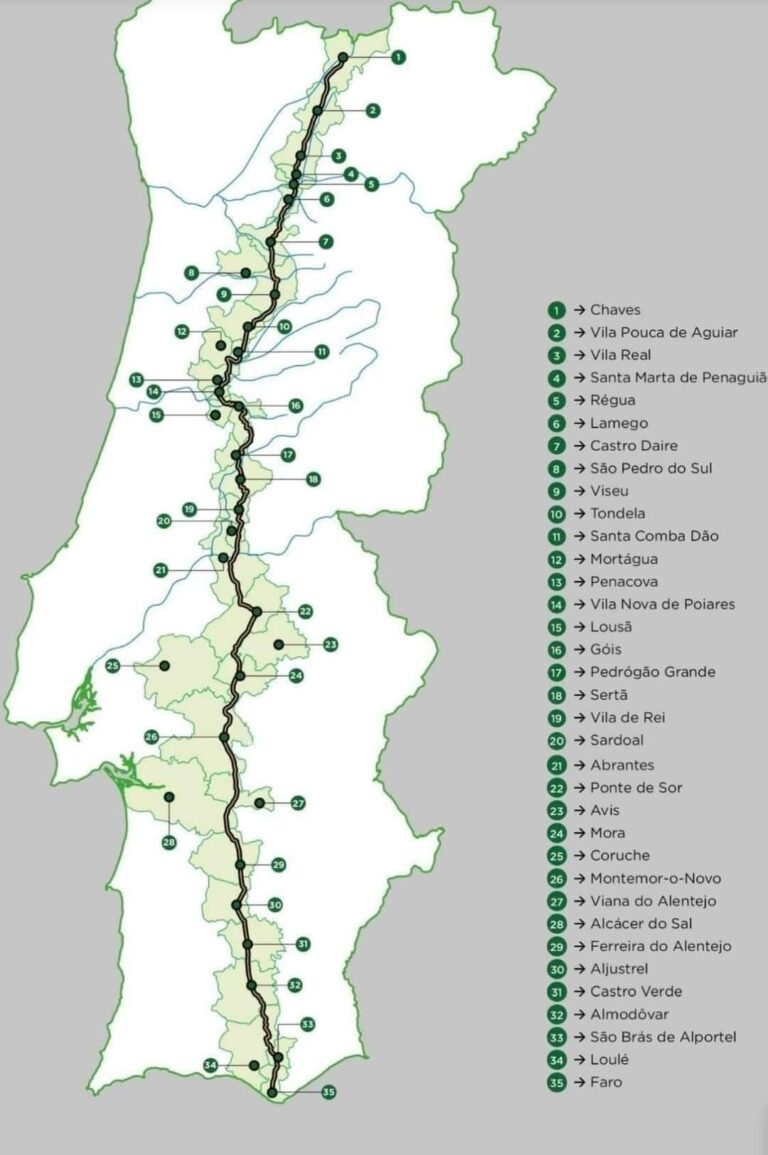
The N2 covers approximately 739 kilometres from Chaves in northern Portugal to Faro in the Algarve. Conditions can vary considerably between the beginning and end of the route—and even between one side of a mountain and the other.
Choosing when to ride therefore involves balancing temperature, rain, daylight, wind and your own tolerance for heat or unsettled weather.
Why the N2 Can Experience Different Weather During One Journey
Portugal may look relatively small on a map, but the N2 crosses much of the country from north to south.
The journey begins near the Spanish border in northern Portugal, passes through elevated and inland areas, crosses central Portugal and the Alentejo, and finishes in Faro.
Northern Portugal is generally cooler and more exposed to Atlantic weather systems than the south. The Alentejo can become considerably hotter, while the Algarve has its own southern climate and hilly interior.
A rider could begin a stage wearing a jacket in cool or misty conditions and finish several hours later needing protection from strong sunshine.
Elevation also affects temperature. Higher roads can feel noticeably cooler than sheltered valleys, particularly early in the morning or during a descent.
For this reason, planning the N2 around the weather in Faro alone—or looking only at conditions in Chaves—does not provide a complete picture.
Cycling the N2 in Spring
Spring is one of the most attractive seasons for cycling Portugal’s N2.
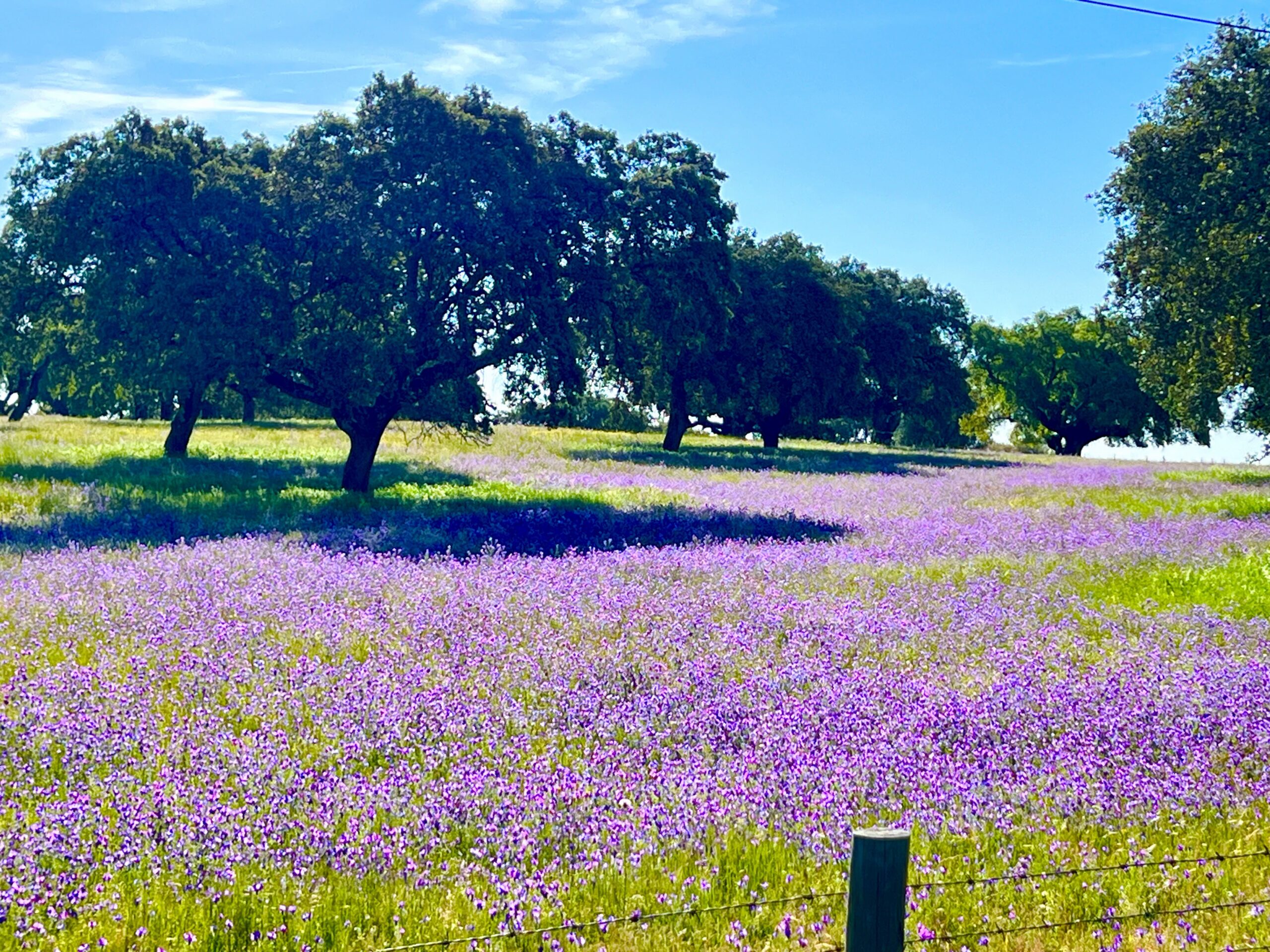
The countryside is often greener than during summer, wildflowers may line rural roads and the days become progressively longer. Temperatures are generally more suitable for sustained effort than during the hottest part of the year.
Spring is also a season of transition, so conditions can change quickly.
March
March can bring cool mornings, unsettled weather and meaningful rain, especially in northern and central Portugal.
Daylight is increasing, but riders may still experience cold starts, wet roads and rapid changes between sunshine and showers.
March can suit experienced cyclists prepared for variable weather, but it is not the safest choice for someone hoping to avoid rain or carry minimal clothing.
April
April generally offers more daylight and the possibility of warmer conditions, while the landscape remains green.
However, rain and cooler periods are still possible. A warm forecast in Faro does not mean the northern stages will begin under similar conditions.
Riders should expect to carry layers and waterproof clothing. April can provide excellent cycling days, but flexibility remains important.
May
May is one of the strongest choices for cycling the N2.
Daylight is generous, the countryside has not normally reached the dry appearance of late summer and temperatures are often more manageable than during July or August.
That does not mean May is always mild. Portugal can experience unusually hot periods during spring, and rain remains possible.
The main advantage is balance. May offers a reasonable chance of comfortable riding conditions without relying on the intense heat and exposure associated with high summer.
This balance is one reason the next Ride With Pete guided N2 departure is planned for May 2027.
Cycling the N2 in Summer
Summer provides the longest days and a lower expectation of persistent rain, but it can also create the most demanding and potentially unsafe cycling conditions.
June
Early June may still provide manageable conditions, but temperatures can rise quickly—particularly across Portugal’s interior.
Long daylight gives riders more time to complete each stage, yet additional daylight does not remove the physical effects of heat.
A hot spell can turn an already difficult stage into a much greater challenge.
July and August
July and August are generally the least attractive months for a seven-day N2 cycling journey.
Long sections of the route pass through inland areas where temperatures can become extremely high. Shade may be limited, and the heat radiated from the road can make conditions feel more severe.
The main summer challenges include:
- High daytime temperatures
- Strong sun exposure
- Increased dehydration risk
- Greater water requirements
- Reduced performance during long climbs
- Hotter overnight conditions affecting recovery
- Rural-fire danger and possible local restrictions
- Longer distances between reliable water stops
Starting at sunrise may reduce exposure during the first part of the stage, but it cannot guarantee that riders will finish before the strongest heat.
A seven-day schedule includes stages exceeding 100 kilometres, with one approaching 144 kilometres. Avoiding the afternoon entirely may not be realistic.
For riders tied to July or August, a longer itinerary with shorter daily stages may be more appropriate than trying to maintain an ambitious seven-day schedule.
Always follow official weather warnings, fire restrictions and instructions from local authorities.
Cycling the N2 in Autumn
Autumn can provide some of the year’s most enjoyable cycling conditions, but timing matters.
Early autumn may still feel like summer in the interior. As the season progresses, temperatures usually become more comfortable, while the likelihood of unsettled weather and shorter days increases.
September
September can offer long periods of warm, dry weather, particularly during the first half of the month.
However, high temperatures remain possible. Riders should not assume that summer heat disappears as soon as August ends.
Later September often provides a more attractive compromise between useful daylight and reduced heat, although every year is different.
October
Early October can be an excellent time to ride the N2.
Temperatures may be more comfortable for long stages, the greatest summer heat has usually eased and there is still sufficient daylight for a properly managed route.
The trade-off is a growing possibility of rain and unsettled conditions, particularly further north.
Later in October, days become noticeably shorter. Wet roads, cooler mornings and unpredictable weather become more important considerations.
November
By November, the balance has shifted towards cooler temperatures, shorter days and a greater likelihood of rain.
A seven-day ride remains possible, but riders need suitable equipment, flexible plans and enough experience to manage changing conditions.
The reduced daylight leaves less room for delays caused by punctures, navigation problems, mechanical issues or long stops.
Cycling the N2 in Winter
Winter is generally the most difficult season for planning a complete N2 cycling journey.
The Algarve may still produce pleasant cycling days, but the N2 begins hundreds of kilometres further north. Chaves and higher inland areas can experience cold mornings, frost, fog and winter rain.
The main winter challenges include:
- Short daylight hours
- Cold northern mornings
- Greater likelihood of rain
- Wet or slippery roads
- Reduced visibility
- Possible frost in inland and elevated areas
- More clothing and equipment to carry
- Less time to recover from delays
Winter conditions can also vary dramatically. A bright day in the south may coincide with cold or wet weather further north.
Experienced riders with flexible schedules may still find suitable windows, but winter is not the obvious first choice for a fixed seven-day crossing.
How Does Heat Affect an N2 Ride?
Heat does more than make a ride uncomfortable.
As temperatures rise, the body works harder to regulate its temperature. Riders need more fluid, may struggle to eat normally and often produce less power for the same perceived effort.
The effect becomes especially important during long climbs and exposed stages.
Heat can contribute to:
- Faster dehydration
- Increased fatigue
- Reduced climbing performance
- Difficulty eating
- Poorer concentration
- Slower recovery after the stage
- Greater dependence on reliable water stops
Riders should never treat a normal seasonal average as a promise. A particular week can be considerably hotter or cooler than expected.
Check the current forecast and weather warnings before each stage. Portugal’s official meteorological service, IPMA, should be included among your weather sources.
How Much Does Rain Matter?
Rain affects more than comfort.
Wet roads reduce grip, extend braking distances and make painted road markings, metal covers and debris more hazardous. Visibility may also be reduced for both cyclists and drivers.
Persistent rain creates additional challenges:
- Wet clothing and reduced body temperature
- Poorer visibility
- Slower descents
- Greater puncture risk from road debris
- Increased maintenance requirements
- More difficult recovery if equipment cannot dry overnight
Northern and central sections of the N2 are generally more exposed to unsettled Atlantic conditions than the south, particularly outside summer.
A waterproof jacket is therefore useful even when the long-range forecast looks positive.
Forecasts also become less reliable further ahead. Conditions shown two weeks before departure should not be treated as a detailed plan for each stage.
Why Daylight Matters
Daylight affects how much time riders have to complete a stage safely.
A seven-day N2 itinerary includes daily distances approaching or exceeding 100 kilometres. Café stops, lunch, photographs, punctures, climbs and regrouping all extend the total time between departure and arrival.
Long spring and summer days provide more flexibility. Shorter autumn and winter days make an efficient start and realistic schedule more important.
Less daylight means less room for:
- A late departure
- Unexpected mechanical problems
- Route diversions
- Long lunch stops
- Difficult weather
- A rider having a slower day
Lights should be fitted and charged regardless of the season. They improve visibility in dull weather, shaded areas, tunnels and unexpected delays.
Spring or Autumn: Which Is Better?
Both seasons can work extremely well.
Choose Spring If You Prefer:
- Increasing daylight
- Green countryside and spring scenery
- Longer evenings
- Conditions before the main summer heat
- A journey that becomes progressively warmer towards Faro
Choose Autumn If You Prefer:
- Conditions after the main summer season
- Potentially comfortable riding temperatures
- Warmer roads and landscapes at the beginning of the season
- A quieter post-summer atmosphere
Spring may begin cooler in the north, while early autumn can retain more heat in the south and interior.
The better choice depends on your tolerance for heat, rain and cool mornings.
For many riders, May and late September into early October offer the most practical balance. Neither period guarantees perfect weather, but both avoid planning the complete journey around the most extreme part of summer or the shortest days of winter.
What Should You Pack for Variable Conditions?
Even during a favourable month, prepare for changing weather.
Useful equipment includes:
- Lightweight waterproof jacket
- Packable windproof layer
- Arm warmers
- Leg or knee warmers
- Full-finger gloves for cooler starts
- Sun cream
- Sunglasses
- Cap or head covering
- Front and rear lights
- Sufficient bottle capacity
- Electrolytes or preferred hydration products
- Waterproof protection for essential electronics
- Clothing that can be added or removed during the day
The aim is not to carry equipment for every imaginable emergency. It is to remain comfortable and safe when the weather differs from the forecast.
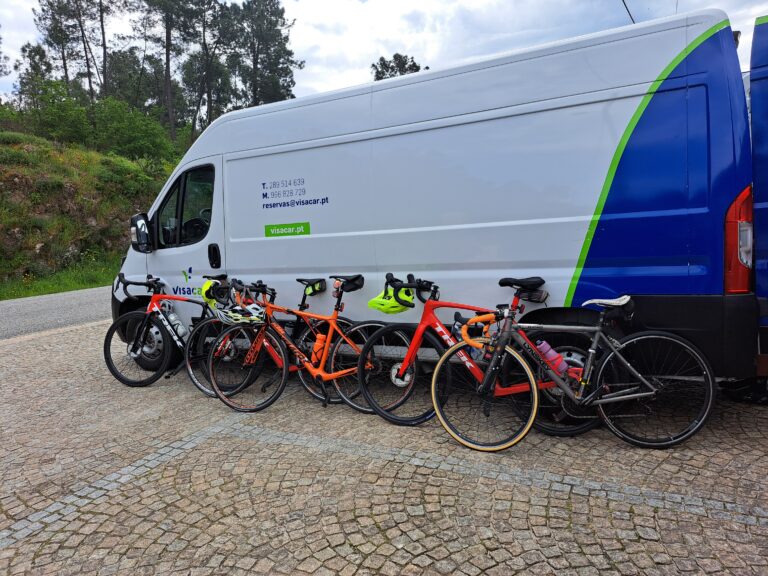
Riders on a supported tour can place additional clothing in the support vehicle rather than carrying everything on the bicycle throughout the stage.
Why Ride the N2 in May 2027?
Ride With Pete is planning a seven-day guided N2 departure in May 2027.
May has been selected because it offers a strong seasonal balance for cycling from Chaves to Faro: substantial daylight, spring landscapes and a better chance of avoiding the most intense summer heat.
Weather cannot be guaranteed, but the timing creates a sensible foundation for the journey.
On the Ride With Pete Guided N2 Cycling Tour, Pete rides every stage with the group while an experienced support driver manages luggage, planned stops and practical logistics.
The guided tour includes:
- Seven riding stages
- Accommodation throughout the tour
- Breakfast, lunch and evening meals
- Planned café and refreshment stops
- Daily luggage transport
- An experienced support driver
- GPX route files
- Pete riding with the group
- Small groups of six to eight paying riders
The May 2027 departure is intended for prepared recreational cyclists who want to complete the N2 as a supported small-group challenge.
You can view the May 2027 tour and register your interest without making an immediate payment or financial commitment.
Choosing Your N2 Dates
There is no month when every rider is guaranteed dry roads, comfortable temperatures and favourable wind for seven consecutive days.
The best time depends on the conditions you would rather manage.
Summer provides long days but creates the greatest heat risk. Winter avoids summer temperatures but brings shorter days, colder northern conditions and a greater chance of rain. Spring and autumn sit between those extremes.
For most cyclists planning a complete N2 journey, May and late September into early October deserve serious consideration.
Choose your dates carefully, prepare for conditions outside the seasonal average and check current forecasts throughout the journey.
Good timing cannot remove every weather risk, but it can give you a far better chance of enjoying the road from Chaves to Faro.