Algarve Cycling Holidays: Everything You Need to Know
If you’re considering Algarve cycling holidays, you’re choosing one of the most versatile cycling destinations in southern Europe.
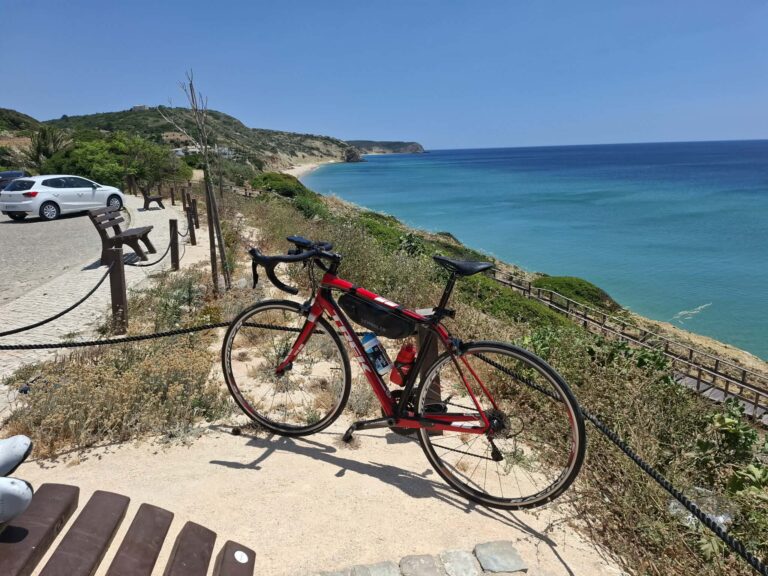
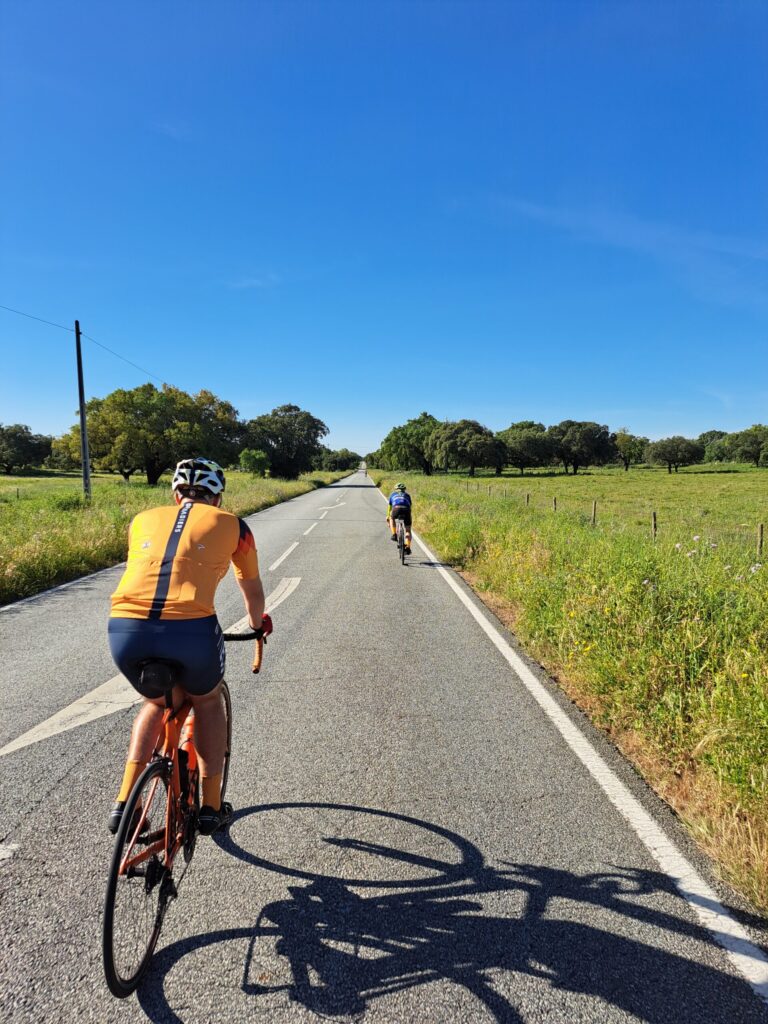
The Algarve is best known for its beaches, sunshine and golf courses, but once you leave the main coastal roads behind, the region becomes a completely different place. Quiet inland lanes, mountain climbs, cork forests, orange groves, whitewashed villages and long stretches of peaceful countryside make it an excellent destination for cyclists who want far more than a week beside the pool.
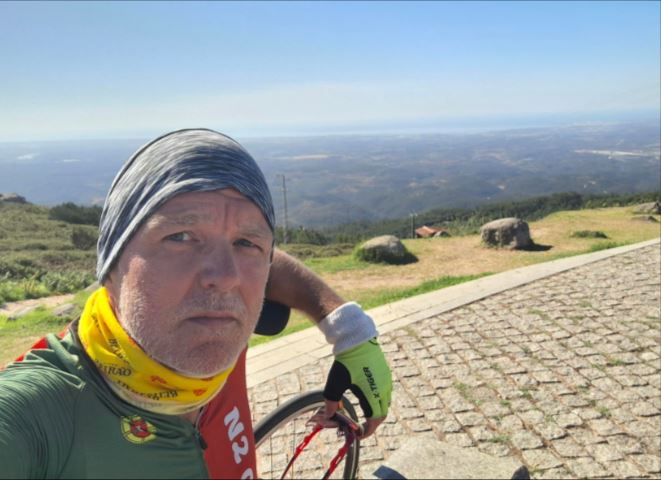
Having lived in Portugal since 2006 and spent years riding these roads, I’ve seen first-hand how much the Algarve has to offer cyclists of very different abilities. You can build a relaxed holiday around scenic 40 or 50 kilometre rides, or spend the week tackling long mountain days with serious climbing.
You can bring your own bike, hire locally, ride independently or join a guided experience.
There isn’t one correct way to organise an Algarve cycling holiday.
The important thing is understanding what the region is like, choosing the right base, travelling at the right time of year and matching the riding to your fitness and expectations.
If you’re still deciding where you’d like to ride, my complete guide to cycling in the Algarve gives a broad overview of the terrain, weather and different areas of the region.
This guide focuses on the holiday itself: where to stay, when to come, what kind of riding to expect and how to plan a trip you’ll genuinely enjoy.
Why Choose the Algarve for a Cycling Holiday?
There are plenty of excellent cycling destinations in Europe.
The Algarve’s advantage is that it combines several things particularly well.
You get a long cycling season, varied terrain, relatively quiet roads once you move inland, excellent food and plenty to do away from the bike.
That last point matters more than people sometimes realise.
Not everyone travelling with you may want to spend six hours cycling every day.
The Algarve works well because a serious cyclist can enjoy an excellent morning ride while a partner or family member spends time at the beach, explores a town or simply relaxes.
Then everyone can meet again for lunch or dinner.
It doesn’t have to be an all-or-nothing cycling destination.
A long riding season
The Algarve’s climate means cycling holidays aren’t restricted to July and August.
In fact, those are often the months I’d be least likely to recommend for riders planning big distances because of the heat.
Spring and autumn are superb.
Winter can also produce excellent riding conditions, particularly for visitors escaping northern European weather.
That gives you far more flexibility when choosing your travel dates.
Terrain for different abilities
The Algarve can be easy or very hard.
If you want relaxed rolling countryside, you can find it.
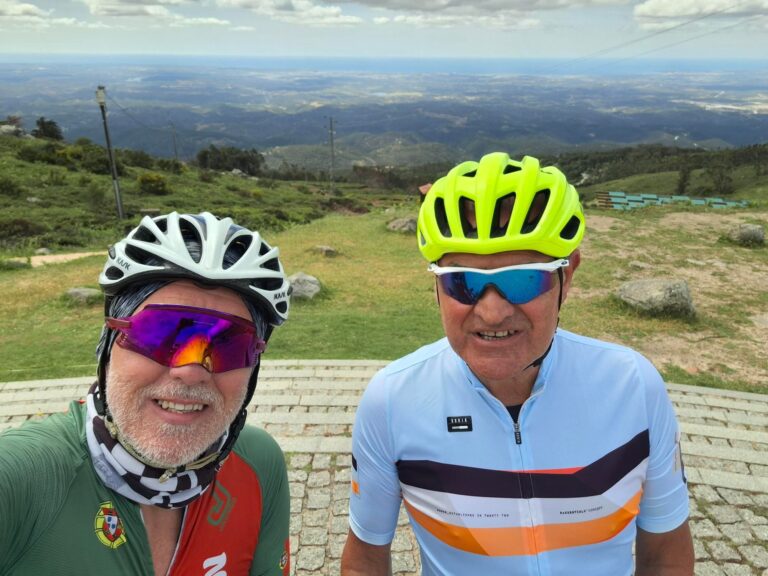
If you want to climb into the Monchique mountains or spend hours riding through the Serra do Caldeirão, you can do that too.
The challenge is choosing the correct routes.
Someone who usually rides 40 kilometres on relatively flat roads at home probably won’t enjoy being sent straight up Fóia on their first morning.
Likewise, an experienced club cyclist might find a gentle coastal loop frustrating.
A good Algarve cycling holiday is about matching the riding to the people.
When Is the Best Time for an Algarve Cycling Holiday?
For most cyclists, I’d look first at spring and autumn.
March to May
Spring is one of the best times to visit.
The countryside is greener than many summer visitors ever see it, temperatures are usually comfortable and the roads aren’t dominated by peak-season tourist traffic.
April and May are particularly attractive for riders wanting longer days.
You can comfortably plan substantial routes without constantly worrying about extreme temperatures.
June
June can still be very good, although the days are getting hotter.
Starting earlier becomes more important.
If you enjoy warm conditions and don’t mind being on the bike in the morning, June can work well.
July and August
These are peak holiday months and can be extremely hot.
That doesn’t mean you can’t cycle.
It means you need to be sensible.
Early morning rides are the answer.
Leave soon after sunrise, ride for a few hours and finish before the strongest heat arrives.
For someone booking a dedicated road cycling holiday with long daily stages, I would normally recommend another part of the year.
September and October
These are excellent months.
September can still feel summery, but as you move into late September and October the conditions become particularly good for road cycling.
The main holiday crowds begin to reduce, while temperatures remain pleasant.
October is one of my favourite months for longer rides.
November to February
Winter deserves more attention than it gets.
There will be wet days.
There will occasionally be cooler spells.
But there can also be bright, clear winter days that are absolutely perfect for cycling.
For someone travelling from Britain or northern Europe, the difference can feel enormous.
You might leave home in rain and darkness and find yourself riding Algarve roads in sunshine a few days later.
That’s why the region has so much potential as a winter cycling destination.
Where Should You Stay for an Algarve Cycling Holiday?
Where you stay will have a big influence on the type of cycling you do.
The Algarve stretches a long way from west to east, and each area feels different.
Lagos
Lagos is a good option if you want a lively town, beaches and access to western Algarve cycling.
There are excellent inland roads to the north, and stronger riders can reach more demanding terrain.
It’s particularly suitable if cycling is only part of the holiday because there’s plenty to do when you’re off the bike.
Portimão and surrounding areas
Portimão gives you quick access to rolling inland roads and the Monchique foothills.
It’s possible to build everything from shorter half-day rides to demanding mountain days.
This is a practical base if you want variety.
Silves
Silves has a more historic, inland feel.
For cyclists, it’s an excellent location because you can head into quieter countryside almost immediately.
The surrounding roads work well for medium-distance rides and can easily be extended into the hills.
Monchique
If climbing is your priority, Monchique puts you directly into mountain terrain.
You don’t need to spend half the ride reaching the hills because you’re already there.
The trade-off is that almost every ride involves climbing.
This is not the base I’d choose for a rider wanting gentle recovery days.
Tavira
Tavira works well for cyclists wanting a quieter eastern Algarve experience.
Stay closer to the coast and the terrain is relatively gentle.
Head inland and the roads become progressively hillier.
It’s a good option for riders who want peaceful countryside and traditional Portuguese towns rather than the busier western resorts.
How Many Days Do You Need?
A long weekend can be enough to enjoy some excellent rides.
But if you’re travelling specifically for cycling, I’d aim for five to seven days.
That allows you to vary the intensity.
You don’t need to hammer yourself every day.
A good week might include:
- a relaxed first ride
- a longer climbing day
- an easier recovery ride
- a full-day inland route
- another medium-distance scenic ride
That balance is important.
People sometimes plan cycling holidays like training camps and forget they’re supposed to be enjoying themselves.
Unless you’re specifically training for an event, there’s no reason every day needs to leave you exhausted.
How Far Should You Ride Each Day?
This is one of the hardest questions to answer without knowing the cyclist.
Distance alone also doesn’t tell the full story.
A 60 kilometre ride with 1,200 metres of climbing can be much tougher than a 100 kilometre flat ride.
30–50 km
Ideal for recreational riders, mixed-ability groups or people combining cycling with a more traditional holiday.
You can still see plenty of the Algarve without spending the entire day on the bike.
50–80 km
This is a very good range for many visiting riders.
It gives you enough distance to explore properly while leaving time for coffee stops, lunch and the rest of your holiday.
80–120+ km
Experienced cyclists will have no problem building long days.
The Algarve has enough quiet roads and climbing to keep strong riders entertained for hours.
But check the elevation.
The distance may look familiar while the accumulated climbing turns it into a much harder ride than expected.
If you’re looking for inspiration, my guide to the best cycling routes in the Algarve covers some of the areas I’d consider first.
Bringing Your Own Bike
Many cyclists prefer to travel with their own bike.
You know the fit.
You know the gearing.
You know how it handles.
For a serious cycling holiday, that familiarity is valuable.
The downside is obviously flying with it.
Bike boxes take up space, airline rules vary and getting from the airport to your accommodation can become complicated if you haven’t planned properly.
If you’re travelling with several riders, you’ll also need to make sure any airport transfer vehicle can carry multiple bike boxes.
Don’t assume a normal taxi will cope.
Hiring a Bike in the Algarve
Bike hire can make the journey significantly easier.
Fly with normal luggage, collect a bike locally and avoid dragging a large bike box through the airport.
The important thing is booking early, particularly if you:
- need a larger or smaller frame
- want an e-bike
- need specific pedals
- are travelling during a popular cycling period
Check exactly what is included.
Some hire bikes come without pedals.
You may also prefer to bring your own saddle if you’re particularly sensitive to bike fit.
A few millimetres can make a big difference after several hours of riding.
What Type of Bike Is Best?
For predominantly tarmac riding, a road bike or endurance road bike is ideal.
You don’t need an aggressive racing position unless that’s genuinely how you like to ride.
Comfort matters more than saving a handful of watts.
Gearing
Bring sensible climbing gears.
There is no benefit in struggling unnecessarily.
A compact chainset and generous cassette will make Algarve hills considerably more enjoyable.
Strong riders can obviously use harder gearing, but don’t choose your setup based on pride.
Choose it based on the terrain.
Tyres
Modern wider road tyres work very well here.
They offer more comfort and confidence without noticeably slowing you down.
The exact choice depends on your bike, but I’d rather have a little more comfort and puncture protection than the narrowest possible racing tyre.
What Should You Pack?
The Algarve’s reputation for sunshine can tempt people to pack too lightly.
Bring options.
Even warm days can begin cool, particularly inland or in the mountains.
A lightweight windproof layer is useful.
So are arm warmers or a light long-sleeved jersey outside summer.
You should also bring:
- helmet
- cycling shoes
- sunglasses
- gloves
- front and rear lights
- basic repair kit
- spare tubes or tubeless repair equipment
- water bottles
- sunscreen
- suitable cycling clothing
- any personal nutrition products you rely on
If you’re bringing your own bike, don’t forget any unusual tools or components specific to it.
A broken proprietary part can be difficult to replace quickly while travelling.
Food and Drink on an Algarve Cycling Holiday
This is one of the pleasures of cycling in Portugal.
You don’t need to survive on energy gels.
Local cafés are everywhere in populated areas and make excellent stops.
Coffee is inexpensive, and simple sandwiches, cakes and pastries are easy to find.
Longer inland rides require more planning because cafés can be further apart.
That’s particularly true in more remote areas of the Serra do Caldeirão.
Always carry enough water and some food to get you between stops.
Lunch matters
If you’re cycling for several hours, lunch becomes part of the experience.
A lighter meal might make sense if you’re continuing to ride afterwards.
If the day’s cycling is finished, you’ve earned something more substantial.
Portuguese food suits cycling holidays very well because there’s a strong culture of straightforward, filling meals rather than everything being built around tourist dining.
Guided or Self-Guided Algarve Cycling Holidays?
Both have advantages.
Self-guided
A self-guided holiday gives you complete freedom.
Ride when you want.
Stop where you want.
Change your plans at the last minute.
If you’re experienced at route planning and confident with navigation and mechanical problems, this can work perfectly.
The main challenge is finding the best roads.
A mapping app doesn’t always tell you whether a road is busy, enjoyable or in poor condition.
It also can’t tell you that the tiny road you almost ignored is one of the best sections of the day.
Guided
Guided cycling removes most of the planning.
Someone else chooses the route, finds the café stops, deals with navigation and can adapt the day if necessary.
That’s particularly valuable if this is your first time riding in the Algarve.
A good guide should also be able to respond to the group.
If everyone is stronger than expected, extend the route.
If somebody is struggling, shorten it.
If the wind is blowing hard from one direction, change the plan.
Our guided Algarve cycling experiences are built around that flexibility rather than forcing every rider onto exactly the same route regardless of conditions.
Cycling Holidays for Couples With Different Abilities
This comes up frequently.
One person loves cycling.
The other cycles occasionally.
Or both enjoy riding, but one is much stronger.
That doesn’t have to be a problem.
The Algarve gives you plenty of options.
An e-bike can help close the fitness gap.
A route can also be designed so stronger riders add an extra climb while the rest of the group takes a shorter option.
The key is not making the less experienced rider feel as though they’re holding everyone up.
A cycling holiday should be enjoyable for both people.
Not an argument conducted on two wheels.
Can Beginners Enjoy an Algarve Cycling Holiday?
Absolutely.
But route choice matters.
A beginner doesn’t need to ride 100 kilometres or climb Fóia.
There are plenty of shorter, quieter routes that still provide beautiful scenery and a proper sense of achievement.
I’d rather someone finish the day thinking, “I’d love to do more tomorrow,” than drag themselves back completely exhausted and spend the rest of the week avoiding the bike.
Build gradually.
Start with a comfortable ride.
Then increase the distance or climbing if you’re enjoying it.
What About Experienced Riders?
There’s more than enough to keep strong cyclists busy.
Head towards Monchique for sustained climbing.
Explore the Serra do Caldeirão for long rolling days.
Link inland routes together and you can accumulate serious distance and elevation.
If you want 100 kilometre days with substantial climbing, you’ll find them.
The Algarve isn’t a destination that experienced cyclists will outgrow after two rides.
There’s simply too much road.
What Should You Do on Rest Days?
Another advantage of an Algarve cycling holiday is that rest days don’t have to feel wasted.
You can:
- visit historic towns
- spend time on the beach
- walk coastal trails
- explore local markets
- enjoy a long lunch
- visit wineries
- simply relax
If you’re staying for a week, I think building in at least one easier day is sensible.
Your legs will thank you.
And you’ll experience more of Portugal than just the view from your handlebars.
Cycling With the Algarve Weather
The weather here is generally excellent, but you still need to respect it.
Heat
In summer, start early.
Don’t wait until late morning and then attempt a long inland climb in peak heat.
Carry enough water and refill whenever you have the opportunity.
Wind
Wind can be a major factor, particularly nearer the western coast.
Check the forecast before setting out.
A route that feels straightforward on paper can become significantly harder with a persistent headwind.
Rain
Yes, it rains in the Algarve.
The roads can become slippery after long dry periods because oil and dirt build up on the surface.
Take extra care on the first wet day after a long dry spell.
Avoiding the Busy Roads
One of the most important things when planning an Algarve cycling holiday is not assuming every road is equally pleasant.
The N125, for example, is a major coastal road and isn’t where I’d choose to spend my recreational cycling time when quieter alternatives exist.
The best riding usually appears when you move away from the obvious main routes.
That’s why local knowledge makes such a difference here.
Sometimes a road that looks minor on the map is perfect.
Sometimes the obvious connection between two places is something I’d avoid completely.
Take the time to plan properly.
The Café Stop Is Part of the Holiday
I say this often because I believe it.
The café stop matters.
Cycling in Portugal isn’t just about kilometres and climbing.
Stopping in a village, ordering an espresso and sitting outside for twenty minutes is part of experiencing the country.
You meet people.
You watch local life.
You eat something that definitely wasn’t developed in a sports nutrition laboratory.
And then you get back on the bike.
Some riders arrive worrying about losing their average speed.
By the end of the week, they’re usually the first ones asking where the next café is.
How Much Planning Should You Do Before You Arrive?
Enough to avoid obvious problems.
You should know:
- where you’re staying
- whether you need bike hire
- how you’ll get bikes from the airport
- your likely riding areas
- whether you’re riding independently or with a guide
- what equipment you need
- how fit you need to be
But don’t plan every minute.
Weather changes.
People get tired.
A road you expected to ride may not suit the day.
Leave some flexibility.
That’s especially important on a holiday.
Turning an Algarve Holiday Into a Cycling Holiday
You don’t necessarily need to book a specialist cycling hotel or dedicate the entire trip to riding.
If you’re already coming to the Algarve, you can simply add cycling into the holiday.
A half-day guided ride can show you roads you’d never discover from the resort.
A full-day ride can take you much deeper inland.
And if you enjoy it, you can build more cycling into your next trip.
You can view our current Algarve cycling rides and experiences if you’d like to add a guided day to an existing holiday.
When a Week in the Algarve Isn’t Enough
For some riders, cycling in the Algarve leads naturally to wanting to see more of Portugal.
That’s where the N2 comes in.
The Estrada Nacional 2 runs from Chaves in the north of Portugal all the way to Faro.
Our guided Portugal N2 cycling tour covers approximately 741 kilometres over seven riding days.
It’s a very different type of cycling holiday.
Instead of returning to the same hotel each night, you’re travelling through the country and watching the landscape change day by day.
But the philosophy is similar to our Algarve riding.
Good roads.
Small groups.
Local food.
Coffee stops.
Proper support.
And enough time to actually enjoy Portugal.
Is an Algarve Cycling Holiday Worth It?
If your idea of a good cycling holiday involves quiet roads, sunshine, varied terrain, good food and the freedom to make each day as hard or as relaxed as you want, then yes.
The Algarve is extremely difficult to beat.
You don’t need to be an elite cyclist.
You don’t need to spend every day climbing mountains.
And you don’t have to choose between cycling and enjoying a proper holiday.
That’s probably the region’s biggest strength.
You can ride hard in the morning and sit beside the sea in the afternoon.
You can tackle a mountain one day and spend the next rolling through villages with a long café stop.
You can come for cycling alone or make it part of a wider Portuguese holiday.
After years of riding here, I still don’t feel as though I’ve run out of roads.
That’s why I continue recommending the Algarve to visiting cyclists.
There is always another route to explore.
If you’d like help planning a guided ride while you’re here, take a look at our Algarve cycling tours and rides or contact Ride With Pete and tell me what sort of cycling you normally enjoy.
We can then work out what kind of Algarve ride is likely to suit you best.