Is Portugal’s N2 Safe to Cycle? Roads, Traffic & Safety
If you’re considering riding Portugal’s legendary Estrada Nacional 2, one question probably comes before almost everything else:
Is Portugal N2 safe to cycle?
For experienced road cyclists, the short answer is yes — with sensible preparation and normal road awareness.
The N2 is a real public road, not a traffic-free cycle path. You will share sections with cars, vans, motorcycles and occasionally heavier vehicles.
But that doesn’t mean spending 738 km battling traffic.
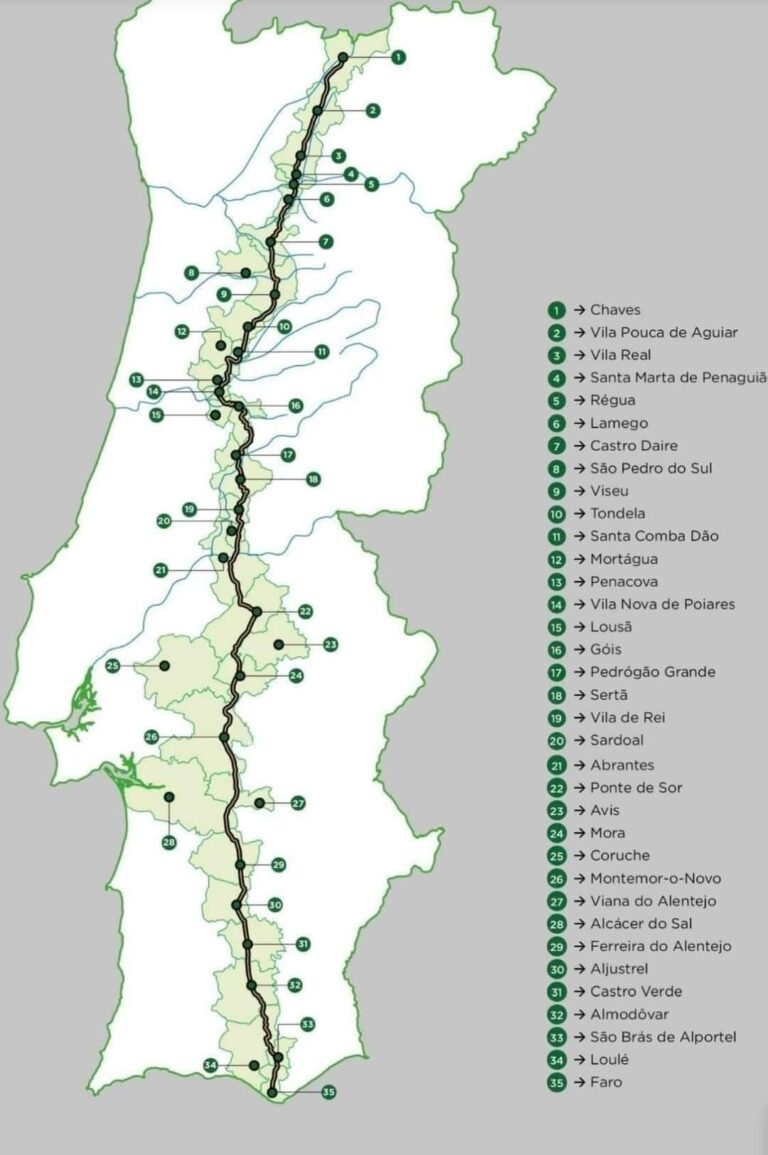
One of the attractions of cycling Portugal’s N2 is how dramatically the road changes as it travels from Chaves in the north to Faro in the south.
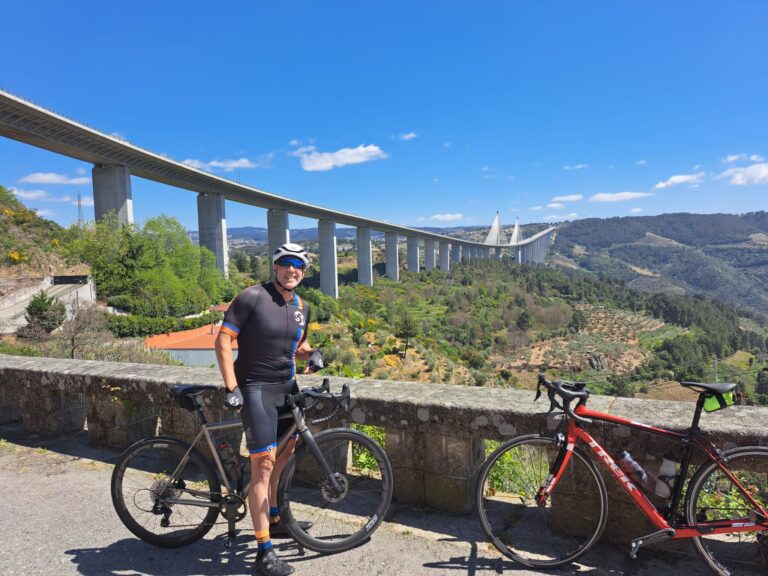
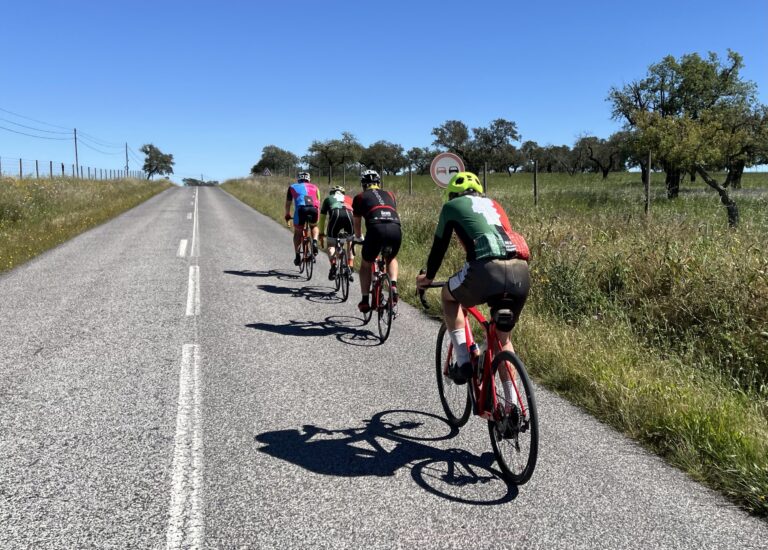
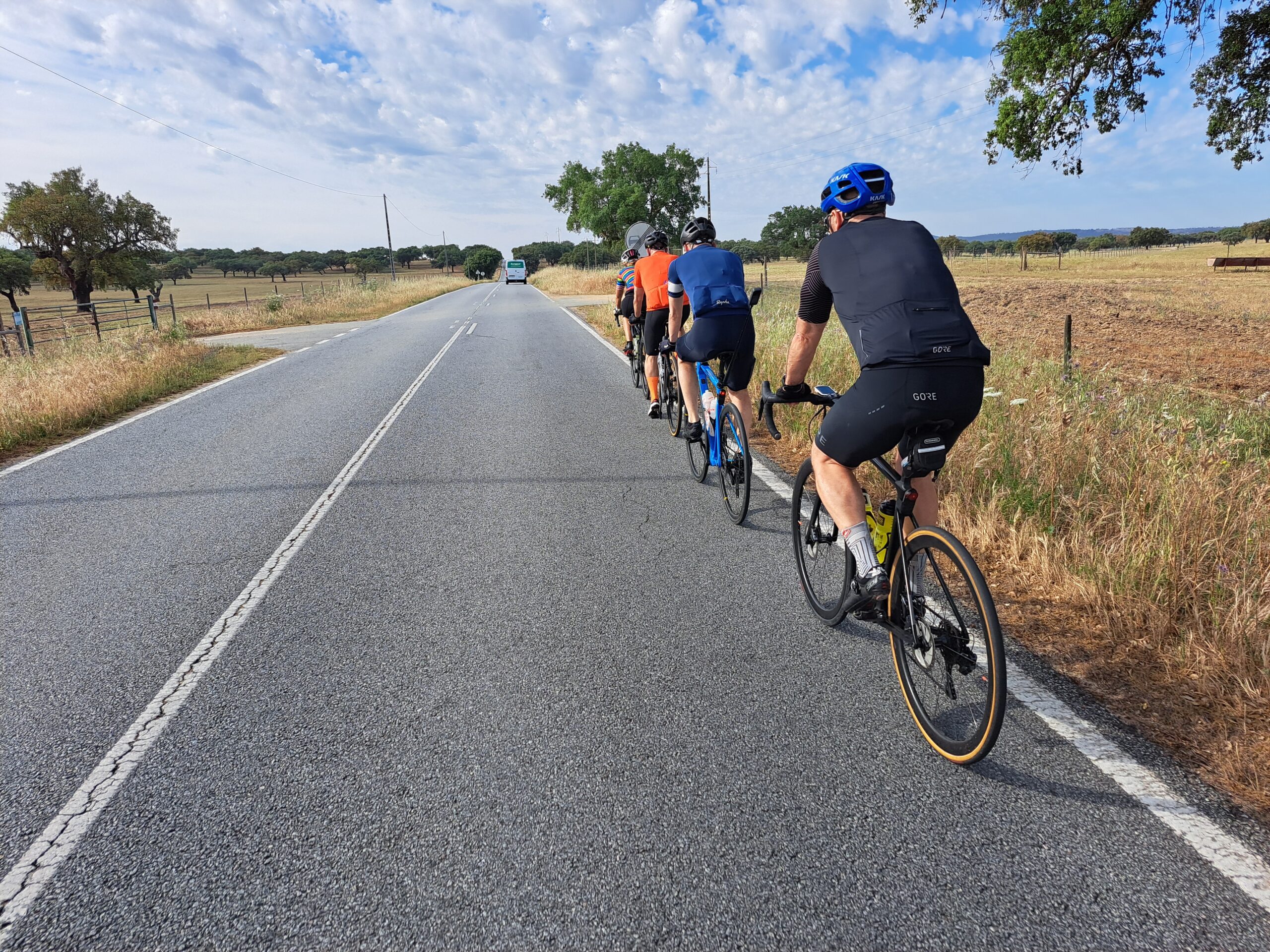
There are quiet rural sections, mountain roads, small towns, villages and stretches where you can ride for considerable periods with relatively little traffic.
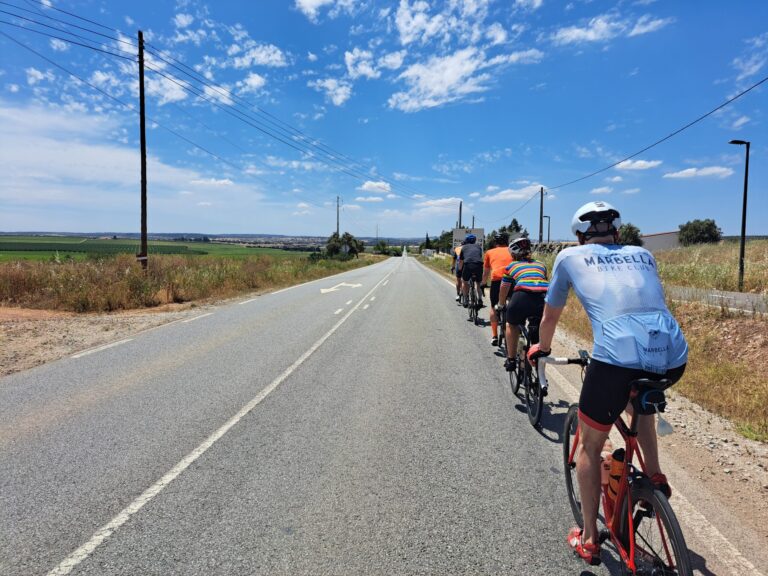
There are also busier sections where concentration and good road positioning matter.
Understanding that difference is an important part of preparing for the journey.
Is Portugal N2 Safe to Cycle?
Is Portugal N2 safe to cycle? Yes, for competent road cyclists who are comfortable riding on public roads and sharing them with traffic.
However, it would be misleading to describe the entire N2 as a quiet cycling road.
It isn’t.
The N2 passes through towns and populated areas and connects with other important roads along its journey south.
Traffic levels therefore change considerably.
A section that feels almost deserted can eventually lead into a much busier area.
That’s simply part of riding a route that crosses Portugal from north to south.
If you regularly cycle on public roads at home, most of this will feel familiar.
If you have only ever ridden on dedicated cycle paths, however, gaining some experience riding confidently in traffic before attempting the N2 would be sensible.
What Are the Roads Like on Portugal’s N2?
The N2 covers an enormous variety of landscapes.
That means an equally varied riding experience.
In northern and central Portugal you’ll encounter mountain roads, long climbs, descents and winding sections through more rugged terrain.
Further south, the landscape gradually becomes more open.
By the time you reach the Alentejo, long stretches of road can feel very different from the mountainous terrain experienced earlier in the journey.
Finally, the route continues into the Algarve before reaching its official KM 738 marker in Faro.
Road surfaces also vary.
Many sections are perfectly good for road bikes, but this is a working national road rather than a purpose-built cycling facility.
Surfaces can change.
You may encounter rough patches, repairs, debris, drain covers or occasional potholes.
Good observation remains important.
How Busy Is the N2?
There isn’t one useful answer to this because traffic varies enormously.
Some sections can be wonderfully peaceful.
Others are considerably busier.
Time of day also makes a difference.
Approaches to towns naturally tend to see more vehicles, particularly around commuting periods.
Weekends, holidays and local events can change traffic levels too.
This variability is one reason that simply downloading a GPX file and assuming every kilometre will provide the same riding environment isn’t ideal.
Knowing what lies ahead makes the N2 a much more enjoyable experience.
If you’re planning the route independently, our N2 Self-Guided Cycling Adventure is designed to remove much of that uncertainty while still allowing you to ride independently.
What About Trucks and Larger Vehicles?
Heavy vehicles are something cyclists naturally worry about.
You can encounter them.
However, the N2’s character has changed significantly since Portugal developed its modern motorway and major-road network.
Many longer-distance journeys now use faster roads rather than relying exclusively on the old national road.
That is part of what makes historic roads such as the N2 so interesting for cycle touring today.
It doesn’t eliminate traffic, and you should never assume a road is empty simply because it has been quiet for several kilometres.
Listen, look and ride predictably.
Descending Requires More Attention Than Climbing
Cyclists often focus on the climbing when preparing for the N2.
From a safety perspective, descents deserve just as much respect.
Portugal’s N2 includes some substantial descending.
Speed can build very quickly, particularly after you’ve spent a long time earning the top of a climb.
Your stopping distance increases, corners arrive faster and road-surface imperfections become considerably more important.
Ride within your ability.
There is no prize for being the fastest person down the mountain.
Before tackling the N2, make sure your brakes, tyres and general bike condition are appropriate for seven consecutive days of riding.
Heat Can Be a Safety Issue Too
Traffic isn’t the only consideration.
Portugal can become extremely hot.
This is particularly important when considering when to ride the N2.
Long distances, climbing and exposed roads become much harder when temperatures rise.
Hydration, sun protection and sensible pacing matter.
It’s one reason we favour spring and autumn rather than the height of the Portuguese summer for serious multi-day cycling.
Our Complete Cyclist’s Guide to Portugal’s N2 covers the wider route and planning considerations in more detail.
Wind Changes the Riding Experience
Wind is another factor that’s easy to underestimate.
A strong crosswind can make an otherwise straightforward road much more demanding, particularly when vehicles are passing.
A headwind can also turn what looked like an easy day on paper into a considerably harder ride.
This is one reason RideWithPete tackles the N2 north to south.
It doesn’t guarantee a tailwind — nothing can — but prevailing conditions can favour this direction, particularly during the periods we prefer for riding the route.
Whatever the forecast says, cyclists should be prepared for conditions to change.
Ride Predictably
One of the simplest ways to improve safety on any public road is to make your actions predictable.
Avoid sudden changes of direction.
Signal clearly.
Don’t ride erratically around potholes or debris without first checking what’s behind you.
When riding in a group, communicate hazards.
And don’t assume the rider behind you has seen something simply because you have.
Good group riding isn’t about being fast.
It’s about being predictable.
Don’t Let the Scenery Distract You
This sounds obvious until you’re actually there.
The N2 passes through some spectacular scenery.
There will be moments when you want to look around rather than directly ahead.
Choose those moments carefully.
If there’s something you really want to photograph or admire, find somewhere safe and stop.
The view will still be there.
What Should You Carry?
Even on a guided ride, cyclists should carry sensible personal essentials.
That includes appropriate clothing, hydration and nutrition.
You should also be capable of dealing with ordinary cycling situations such as a puncture.
For a longer N2 journey, preparation becomes even more important because you’re riding on consecutive days rather than simply heading out for a Sunday morning ride.
We’ll cover this in much greater detail in our upcoming Portugal N2 packing list article.
What If Something Goes Wrong?
Mechanical problems happen.
So do punctures, unexpected weather changes and days when somebody simply isn’t feeling as strong as expected.
That’s part of cycle touring.
The important thing is not expecting every day to run like a perfectly controlled indoor training session.
Plans sometimes need adjusting.
On a guided N2 tour, having support and local knowledge makes dealing with those situations considerably easier.
It also means you can concentrate more on the riding rather than constantly thinking about logistics.
Travel and Cycling Insurance
Every rider should have appropriate travel and cycling insurance covering the activities they intend to undertake.
Don’t assume an ordinary travel insurance policy automatically covers multi-day road cycling.
Check.
Your policy should be appropriate for your individual circumstances and the type of riding you’re planning.
This requirement is also covered in our RideWithPete Terms & Conditions.
Should You Wear a Helmet?
For RideWithPete guided cycling, yes.
We require riders to wear an appropriate cycling helmet and follow reasonable safety instructions.
Regardless of what you might personally choose on an ordinary leisure ride, seven days crossing a country on public roads isn’t the place to compromise on basic protective equipment.
Guided vs Self-Guided N2 Safety
Neither automatically makes somebody a safer cyclist.
You still have responsibility for controlling your own bicycle and riding appropriately.
The difference is primarily knowledge and support.
A self-guided cyclist needs to make more decisions independently.
Navigation, stopping points, changing conditions and unexpected situations are yours to manage.
A guided tour removes much of that planning burden.
You still do the cycling.
You simply have someone who knows what you’re trying to achieve helping manage the journey.
If that’s the experience you prefer, you can see our planned departures on the Portugal N2 Tour Dates page.
Preparation Makes the Biggest Difference
You don’t need to be an elite cyclist to ride the N2.
But you should arrive prepared.
Being tired changes decision-making.
So does dehydration.
So does attempting distances significantly beyond anything you’ve trained for.
Someone comfortable riding 80–100 km isn’t just likely to enjoy the N2 more than someone who hasn’t trained.
They’re also less likely to spend the final hours of every day exhausted and making poor decisions.
That’s why fitness and safety aren’t really separate subjects.
Our guide to training for Portugal’s N2 explains how to prepare for the consecutive riding days involved.
So, Is Cycling Portugal’s N2 Dangerous?
Cycling on any public road carries risk.
Portugal’s N2 is no exception.
But describing the route as inherently dangerous would give the wrong impression.
Thousands of kilometres of ordinary road cycling take place across Portugal every day.
The N2 combines quiet roads, busier sections, mountains, towns, heat, wind and changing conditions into one long journey.
That’s part of the adventure.
Treat the road with respect, prepare properly, ride within your ability and remain alert.
Do that, and the traffic shouldn’t be the thing that defines your N2 experience.
The landscapes, climbs, villages, food, changing scenery and the satisfaction of finally reaching KM 738 in Faro are far more likely to be what you remember.