
How Hard Is It to Cycle Portugal’s N2?
How hard is it to cycle Portugal’s N2? The honest answer is that it is a serious endurance challenge, but one that is achievable for a well-prepared recreational cyclist.
You do not need to be a racer or an exceptionally fast climber. You do need sufficient fitness to ride for several hours, recover overnight and repeat the effort on consecutive days.
The complete N2 journey covers approximately 739 kilometres from Chaves in northern Portugal to Faro in the Algarve. When completed in seven riding days, it averages more than 100 kilometres per day and includes repeated climbing throughout the route.
Distance alone does not tell the whole story. Fitness, pacing, preparation, weather, luggage and recovery all influence how difficult the N2 feels.
Is the N2 Suitable for an Average Cyclist?
The phrase “average cyclist” can mean very different things.
Someone who rides 50 kilometres most weekends but has never cycled on consecutive days will face a different challenge from someone regularly completing 80-to-100-kilometre rides.
A realistic N2 rider should be able to:
- Ride comfortably for several hours
- Manage repeated climbs without exhausting themselves
- Eat and drink while riding
- Complete long rides on consecutive days
- Maintain control while descending
- Handle ordinary roadside issues
- Pace themselves rather than chasing every faster rider
- Remain positive when tired or when conditions become difficult
Speed is less important than endurance and consistency. A rider who maintains a steady, sustainable pace is often better prepared than someone fast enough to dominate one day but unable to recover for the next.
You should not arrive in Chaves hoping that the first few stages will provide the necessary training. The route begins with meaningful distance and climbing, so your preparation must happen before the journey starts.
How Far Will You Cycle Each Day?
Your daily distance depends on how many days you allow for the journey.
Cycling the N2 in seven days creates an average of approximately 105 kilometres per day. The actual stages will not all be the same length. One day might be below 90 kilometres, while another may exceed 140.
A possible seven-day structure is:
- Day 1: Approximately 93 km with 1,150 metres of climbing
- Day 2: Approximately 87 km with 1,540 metres of climbing
- Day 3: Approximately 95 km with 1,050 metres of climbing
- Day 4: Approximately 115 km with 1,900 metres of climbing
- Day 5: Approximately 144 km with 1,300 metres of climbing
- Day 6: Approximately 110 km with 930 metres of climbing
- Day 7: Approximately 97 km with 1,100 metres of climbing
These figures are approximate. Accommodation, diversions, road conditions and route choices can change the distance and climbing recorded by your device.
The important point is that a shorter stage is not necessarily an easier stage. An 87-kilometre day with repeated climbing may feel harder than a much longer ride over open terrain.
Our complete guide to the Portugal N2 cycle route explains how the landscape changes between Chaves and Faro.
How Much Climbing Is Involved?
Portugal’s interior is not flat, and the N2 crosses varied terrain on its journey south.
The northern and central stages contain frequent climbing through hills, river valleys and mountain landscapes. Individual climbs may not always look intimidating, but their combined effect becomes significant.
In a seven-day itinerary, riders could face approximately 9,000 metres of climbing across the complete journey.
The most demanding stage may combine around 115 kilometres with approximately 1,900 metres of ascent. That would be a substantial ride on its own. On the N2, it arrives after several previous days in the saddle and is followed by more long stages.
Climbing ability matters, but suitable gearing and pacing matter just as much.
A rider who uses easier gears and climbs at a controlled effort can preserve energy for later. A stronger cyclist who repeatedly pushes too hard may create unnecessary fatigue.
Your bicycle should provide gearing suitable for prolonged climbing when your legs are no longer fresh. Test that gearing during training rather than discovering its limitations in Portugal.
Why Consecutive Days Make the N2 Difficult
Many cyclists can complete one ride of 100 kilometres. The greater challenge is waking up the following morning and doing something similar again.
Fatigue accumulates across the week. Legs may feel heavy, small areas of discomfort can become painful, and poor nutrition or sleep can affect the next stage.
Multi-day cycling places repeated demands on:
- Leg endurance
- Saddle comfort
- Hands, shoulders and neck
- Nutrition and hydration
- Sleep and recovery
- Motivation and concentration
- Bicycle reliability
This is why a single weekly long ride is not enough preparation. Your training should include weekends with meaningful rides on two consecutive days.
You do not need to reproduce the entire tour during training. You do need to learn how your body responds when starting a second ride without several recovery days.
Does Carrying Luggage Make It Harder?
Yes. The weight and position of luggage can substantially change the experience.
A self-supported rider may carry clothing, tools, chargers, toiletries and other travel equipment. Additional weight makes climbing harder and can affect bicycle handling.
Travelling light helps, but independent riders must still carry everything necessary to remain safe and self-sufficient.
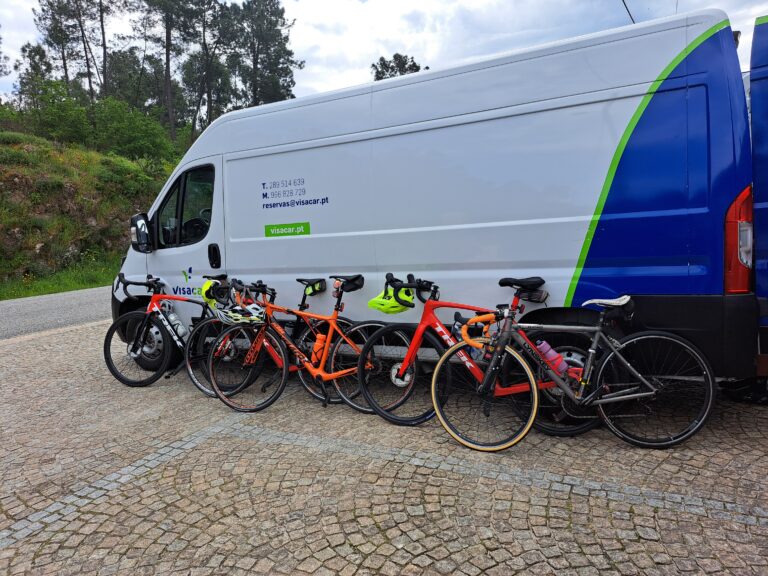
On a supported tour, the support vehicle transports your main luggage between accommodation. You carry only what you need during the stage, such as water, nutrition, clothing layers and personal essentials.
This does not remove the physical challenge, but it reduces unnecessary weight and allows riders to concentrate on the daily route.
How Fast Do You Need to Ride?
There is no compulsory speed for cycling the N2 independently. Your pace must suit the distance, conditions and available daylight.
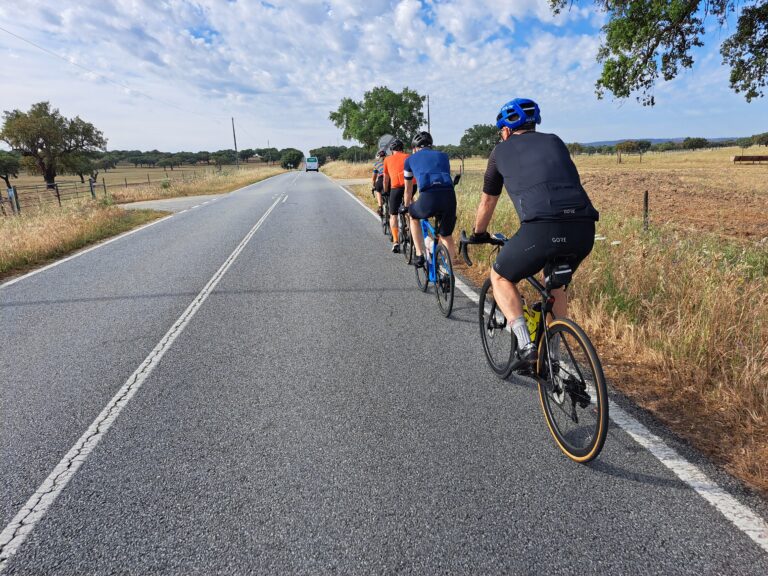
The usual moving speed on the Ride With Pete seven-day guided tour is approximately 21–24 km/h, depending on the stage, terrain, weather and group.
This is not a racing pace. It is a steady group pace intended to help riders complete the entire week rather than compete over individual climbs.
Average moving speed also differs from total journey speed. Café stops, lunch, photographs, punctures and regrouping all add time to the day.
A seven-day rider must move efficiently enough to complete the route safely, but riding too quickly early in the week is one of the easiest ways to make later stages unnecessarily difficult.
Can You Complete the N2 on an E-Bike?
A suitable electric bicycle can make the N2 accessible to riders who might otherwise struggle with the climbing or daily distance.
However, an e-bike does not turn the journey into an effortless holiday.
The rider must still:
- Spend several hours per day in the saddle
- Control a heavier bicycle
- Descend safely
- Manage battery use
- Carry the necessary charger
- Confirm overnight charging arrangements
- Deal with changing weather
- Have enough battery capacity for the stage
Battery range varies according to rider weight, assistance level, terrain, wind, temperature and bicycle setup. A battery that covers a long flat ride may perform very differently on a stage containing substantial climbing.
E-bike riders should test their real-world range on comparable rides before travelling. The bicycle and battery must be capable of completing the planned daily stages.
Who Can Realistically Complete the N2 in Seven Days?
A seven-day N2 ride is realistic for cyclists who train consistently and already have a foundation of endurance.
You are likely to be on the right track if, before travelling, you can:
- Complete an 80-to-100-kilometre ride comfortably
- Ride again the following day
- Manage approximately 1,000-to-1,500 metres of climbing
- Spend five or more hours on the bicycle
- Eat and drink correctly during long rides
- Maintain a sensible pace without repeatedly overexerting yourself
- Finish challenging rides tired but still in control
You do not need to match the longest N2 stage during every training weekend. You should nevertheless be confident that your fitness, position and equipment will cope with long consecutive days.
Age alone does not decide whether someone can complete the route. Training history, health, recovery, experience and judgement are much more useful indicators.
Anyone with health concerns or returning after a long period without exercise should seek appropriate professional advice before beginning a demanding training programme.
Who Should Consider Taking More Than Seven Days?
A longer itinerary may be a better choice if:
- You are relatively new to long-distance cycling
- You prefer sightseeing to tightly managed riding days
- You want more time for cafés and photographs
- You will carry your own luggage
- Your usual rides are considerably shorter
- You want to include rest days
- You are not confident completing consecutive 100-kilometre stages
Taking nine, ten or twelve days reduces the average daily distance and creates more flexibility.
It does not eliminate the climbing or the need for preparation, but it may make the journey more enjoyable for riders who do not want the demands of a seven-day schedule.
How Should You Train for the N2?
A useful N2 training plan develops endurance gradually, includes climbing and introduces consecutive-day riding.
The exact programme should reflect your current fitness. A rider already completing regular 100-kilometre rides will need a different plan from someone currently riding 30 kilometres once per week.
As a general guide, begin focused preparation at least 12 weeks before the journey. Start earlier if your current cycling volume is low.
Weeks 1–4: Build Consistency
The first objective is regular riding.
Aim for three rides per week where your schedule allows:
- One comfortable endurance ride
- One shorter ride including hills or controlled harder efforts
- One progressively longer weekend ride
Increase distance gradually. Avoid making every session hard, because consistent training is more valuable than one enormous ride followed by excessive recovery.
Use this period to address bicycle fit, saddle discomfort or equipment problems.
Weeks 5–8: Add Distance and Climbing
Begin making your longer rides more representative of the N2.
Include:
- Longer steady rides
- Routes with repeated climbing
- Time practising sustainable pacing
- Eating and drinking during the ride
- Occasional consecutive-day rides
A useful weekend might contain a longer ride on Saturday followed by a shorter but meaningful ride on Sunday.
The second ride teaches you to manage tired legs without requiring the full recovery normally available between sessions.
Weeks 9–10: Practise Multi-Day Riding
These weeks should provide the most specific preparation.
Complete consecutive rides using the bicycle, clothing, shoes, nutrition and equipment you expect to use in Portugal.
Depending on your fitness, this might include:
- An 80-to-100-kometre ride
- A second substantial ride the following day
- Meaningful climbing across both days
- Several hours in the saddle
- Practising recovery between rides
The purpose is not to exhaust yourself. It is to confirm that your pacing, comfort, nutrition and equipment work across repeated days.
Weeks 11–12: Reduce the Workload
Do not try to gain last-minute fitness by completing enormous rides immediately before travelling.
Gradually reduce training volume while keeping some shorter rides in your schedule. Arriving rested is more useful than arriving with fatigue from a final panic-filled training week.
Use the remaining time to service the bicycle, check equipment and organise travel.
Training Mistakes to Avoid
Common mistakes can make the N2 harder than it needs to be.
Training Only on Flat Roads
Fitness gained on flat roads is valuable, but it does not fully prepare you for repeated climbing. Include hills whenever possible or use indoor resistance sessions when suitable outdoor terrain is unavailable.
Ignoring Consecutive Days
One large ride per week can create endurance, but the N2 requires repeated effort. Practise riding on tired legs.
Riding Every Session Too Hard
Constant hard training creates fatigue and increases the risk of injury or burnout. Most endurance work should feel controlled.
Testing Equipment During the Tour
Shoes, saddles, shorts, tyres, luggage and gearing should all be tested before arriving in Chaves.
Failing to Practise Nutrition
Eating enough during a long ride is a skill. Test the foods and drinks you intend to use so you understand what your body tolerates.
Starting the N2 Too Fast
The excitement of kilometre zero can encourage riders to push harder than planned. The route rewards patience. Energy saved in the north becomes extremely valuable later in the week.
Does Guided Support Make the N2 Easier?
Guided support does not pedal the bicycle for you. You still complete the distance and climbing.
What it does is remove many of the additional pressures surrounding the ride.
On the seven-day Ride With Pete Guided N2 Cycling Tour, Pete rides every kilometre with the group while an experienced support driver handles luggage, planned stops and practical logistics.
The tour includes:
- Seven planned riding stages
- Accommodation
- Daily luggage transport
- Planned food and refreshment stops
- A support vehicle
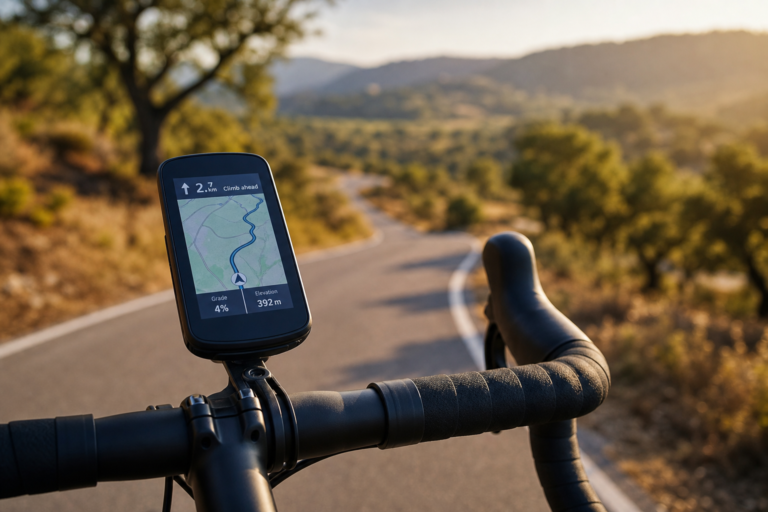
- GPX route files
- Pete guiding and riding with the group
- Small groups of six to eight paying riders
The aim is not to make the N2 effortless. It is to help prepared riders concentrate on the challenge without also carrying luggage and managing every logistical detail.
If you prefer to choose your own dates and pace, the N2 Self-Guided Adventure Pack provides prepared routes and planning information without accommodation, luggage transfer, a guide or vehicle support.
Are You Ready to Cycle Portugal’s N2?
The N2 is hard enough to feel like a genuine achievement, but it is not reserved for elite cyclists.
A well-prepared recreational rider with realistic fitness, appropriate equipment and a sensible approach can complete it successfully.
The strongest preparation is not exceptional speed. It is the ability to ride consistently, recover, manage your effort and return to the bicycle the next morning.
Train for consecutive days, practise climbing, solve equipment problems early and arrive ready to respect the complete journey—not just the first stage.
Do that, and the road from Chaves to Faro becomes more than an intimidating number. It becomes a challenge you can approach with confidence.